Plan your trip
Before you ride
The practical page: what to pack, what we provide, and what to sort before you fly. Your tour page has the tour-specific details; this covers everything shared.
What to pack
Luggage first: one main bag per person, hard-shell or soft, up to 15 kilograms, plus a small daypack. South Island weather can serve four seasons in one day, so pack clothing that layers rather than outfits that commit.
On the bike:
Shoes: lightweight hiking or trail-running shoes with a stiff, grippy sole; regular running shoes will do.
Two pairs of bike shorts, plus one pair of long cycling pants or leg warmers: one set of cold-weather gear.
Tops: one or two base layers or light tops, one warmer top, one lightweight long sleeve, one warm thermal long sleeve.
Three to four pairs of cycling socks, and both long and short gloves, including a windproof pair. Gloves are also available to purchase on fitting day.
A warm hat or buff to wear under your helmet, a waterproof and windproof jacket, waterproof bike pants, and sunglasses.
Off the bike and the small stuff:
Lightweight shoes or sandals for evenings; evening attire on guided tours is smart casual.
Personal toiletries, a small first aid kit, and any prescription medicines you require: this one is a must.
Sunscreen, sunhat, insect repellent and lip balm; a swimsuit for the pools and lakes; a laundry bag for the dirty stuff.
A small day pack or hydration pack if you like one: a pannier is provided.
Optional: your own saddle (without seatpost) or your own clip-in pedals: flat pedals come standard. Tell us in advance if you are bringing either.
If your skin is thin or prone to tearing, gaiters are worth bringing for protection against the pedals.
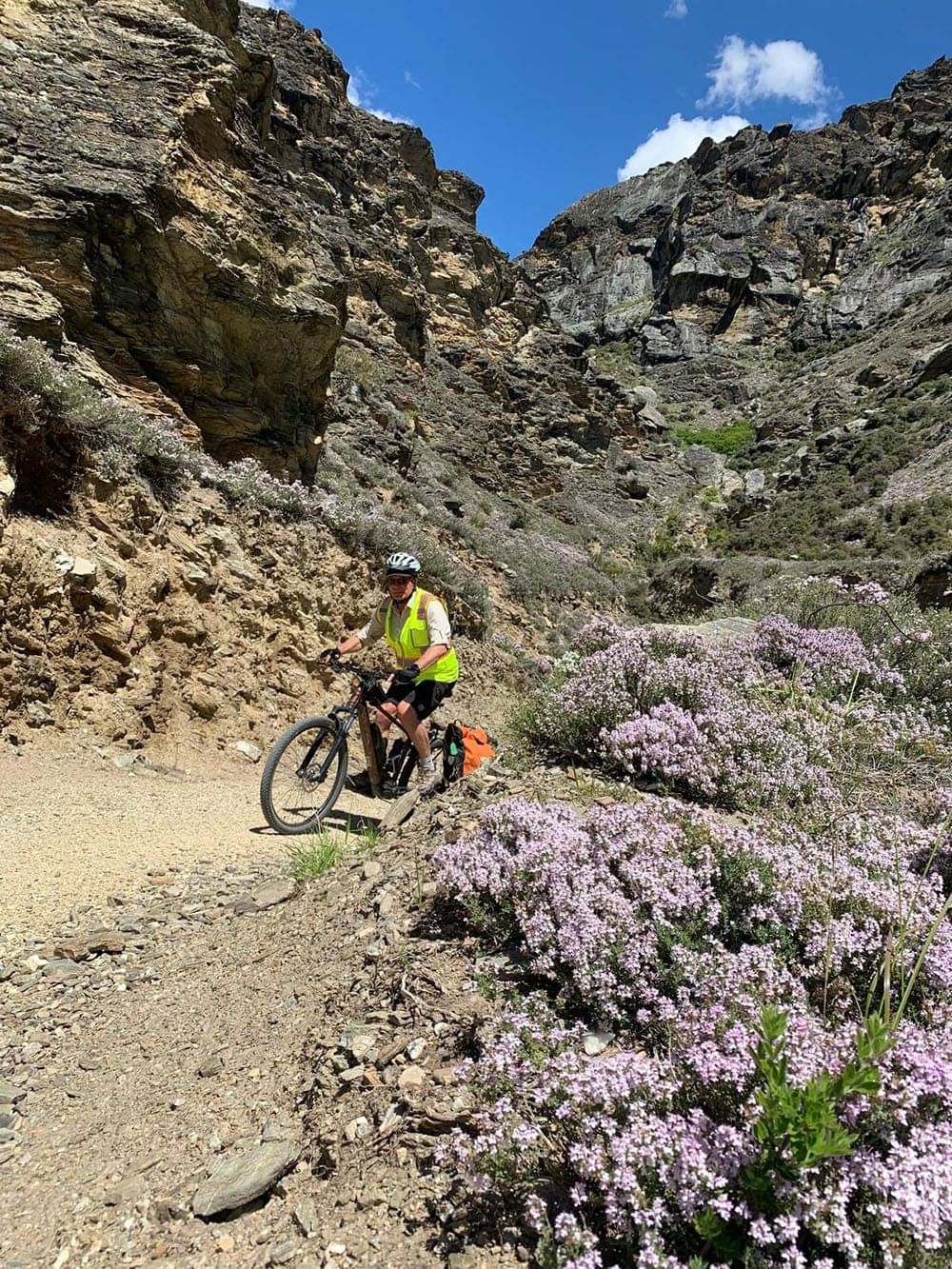
What we provide
So your list stays short: every tour includes the bike, fitted to you, with helmet (bring your own or use one of ours, free), pannier on the rear carrier and the repair basics: pump, spare tubes, tyre levers, multi tool. Maintenance and fair wear and tear are on us: tubes, tyres, brake pads and the like. Damage from falls or accidents is billed to the hirer, which is one more line in the travel-insurance argument. Guided tours add the support vehicle carrying your main luggage every riding day; self-guided tours move one bag per person between your beds. A gel seat cover is there free for the asking, and if you love your own saddle or pedals, we will happily fit either.
For the curious, the guided fleet by name: Merida eBIG Tour, eBIG NINE and eBIG Seven 400 EQ across the size range, with a limited number of Espresso CC 500 EQ step-throughs.
Before you leave home
Getting to the start: transport to and from the tour's start city is your own to arrange. Taxis or Ubers are generally available at the airports, or we can pre-book a shuttle for you, often the more economical option: contact us before your tour begins, additional costs apply. The same goes for your departure, and make sure any pre- or post-tour accommodation is booked and confirmed.
Travel insurance: comprehensive cover, strongly recommended, and formally so in our Terms and Conditions.
Entry requirements: make sure you know New Zealand's current entry requirements before you fly.
Health: Carry your own medications, with prescriptions for anything prescribed. The sensible list: see your doctor before you travel, keep your own water bottle your own, stay hydrated, respect the sun and the sandflies, swim between the flags and never alone, and see a doctor if you feel unwell after returning home.
Fitness: the best preparation is simply time on a bike, ideally on gravel. The full honest picture, grades and all, lives on one page.
Guided vs self-guided notes
Two practical differences worth knowing. Guided tours start with a group welcome and bike fittings on day one, so arrival timing matters: your booking confirmation carries the where-and-when. Self-guided tours begin at a depot briefing on your first riding morning, and your trip notes, sent before you travel, are the document to actually read: they carry the daily logistics, the shuttle times and the numbers to call.
Riding practices on tour
The essentials are simple. Helmets, correctly fastened, are compulsory on every ride. New Zealanders drive on the left, so ride left, follow the road rules and stay visible. Control your speed, ride within your ability, and never hesitate to walk your bike: surfaces, stock, single-lane bridges and the weather all like to surprise. Carry water and snacks in your pannier (the support vehicle holds extras on guided tours), stay with your group, and be generous to everyone you share the trail with. We ride in the spirit of New Zealand's Mountain Biking Code: give way, ride in control, stay on the trail, leave gates as you find them, and take only photos, leaving only tyre prints.
Frequently asked questions about riding
Does it matter if I am travelling alone?
Not at all. Many of our guests travel solo and find it a wonderful way to meet like-minded people, and if you are happy to share a room we will try to pair you with another solo rider, which saves the single supplement.
Can you cater for dietary requirements?
Yes. As long as we know in advance we can accommodate most dietary needs, and New Zealand's restaurants handle vegetarian and vegan well as a matter of course.
Will I have cash, card and internet access?
Easily. ATMs are widespread, cards are accepted almost everywhere from cafes to attractions, and every accommodation provider on our tours has Wi-Fi.
What is phone coverage like on tour?
Generally good with roaming, but some rural stretches, even along main roads, have no reception. It is one more reason the 'do-not-ride-alone' rule exists.
Should I tip the guide and driver?
Tipping is not customary in New Zealand and our crew are paid fairly and professionally, so there is no expectation at any point. If someone has genuinely made your trip and you want to show appreciation, that is entirely your call, never expected and never pressured.
What if I cannot ride a section?
Know your limits and ride within them. If a section doesn’t feel right, hop off and walk, there are no prizes for riding every km. On guided tours, the support vehicle is also an option. The aim is to finish the day with a smile, not a Strava record.