Trail guides
Lake Dunstan Trail guide

41 km

Cromwell to Clyde (55 km from Smiths Way)

Grades 1 to 3

Most ride it in a day

Rideable both ways, our tour rides Cromwell to Clyde

Open year round, our tours run spring to autumn
Trail status
The trail at a glance
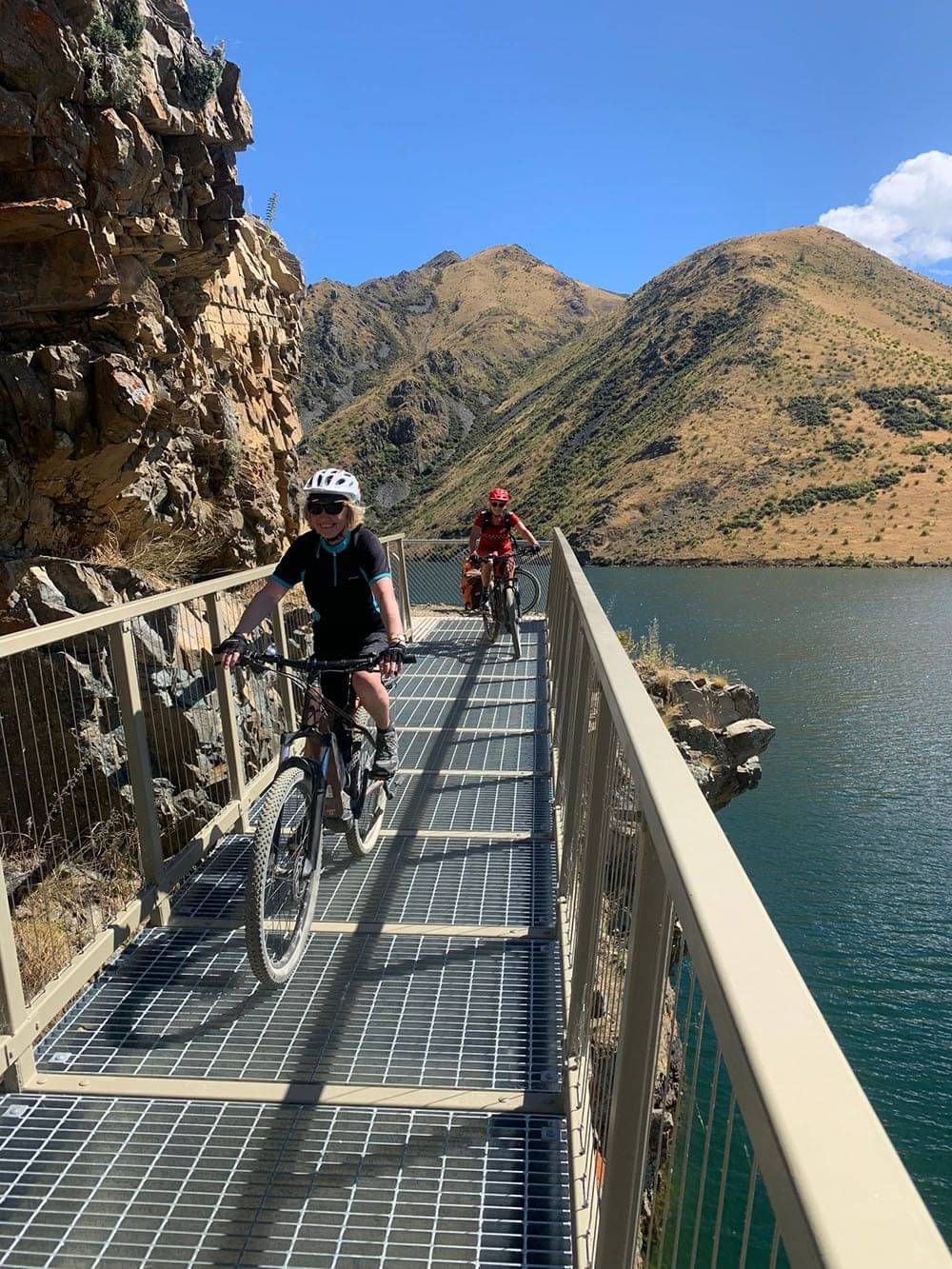
The Lake Dunstan Trail is the newest Great Ride in the South, opened in May 2021 and famous almost immediately: a purpose-built trail winding between the heritage towns of Cromwell and Clyde, around the lake formed by the Clyde Dam, on a route the engineers should be as proud of as the scenery. The showpieces are the cantilevered boardwalks bolted to the bluffs of the Cromwell Gorge. The floating cafes that once moored at Cairnmuir Gully have closed, so the roadless middle is now exactly that: carry what you need to eat and drink from Cromwell, because between the trailheads there is nothing to buy.
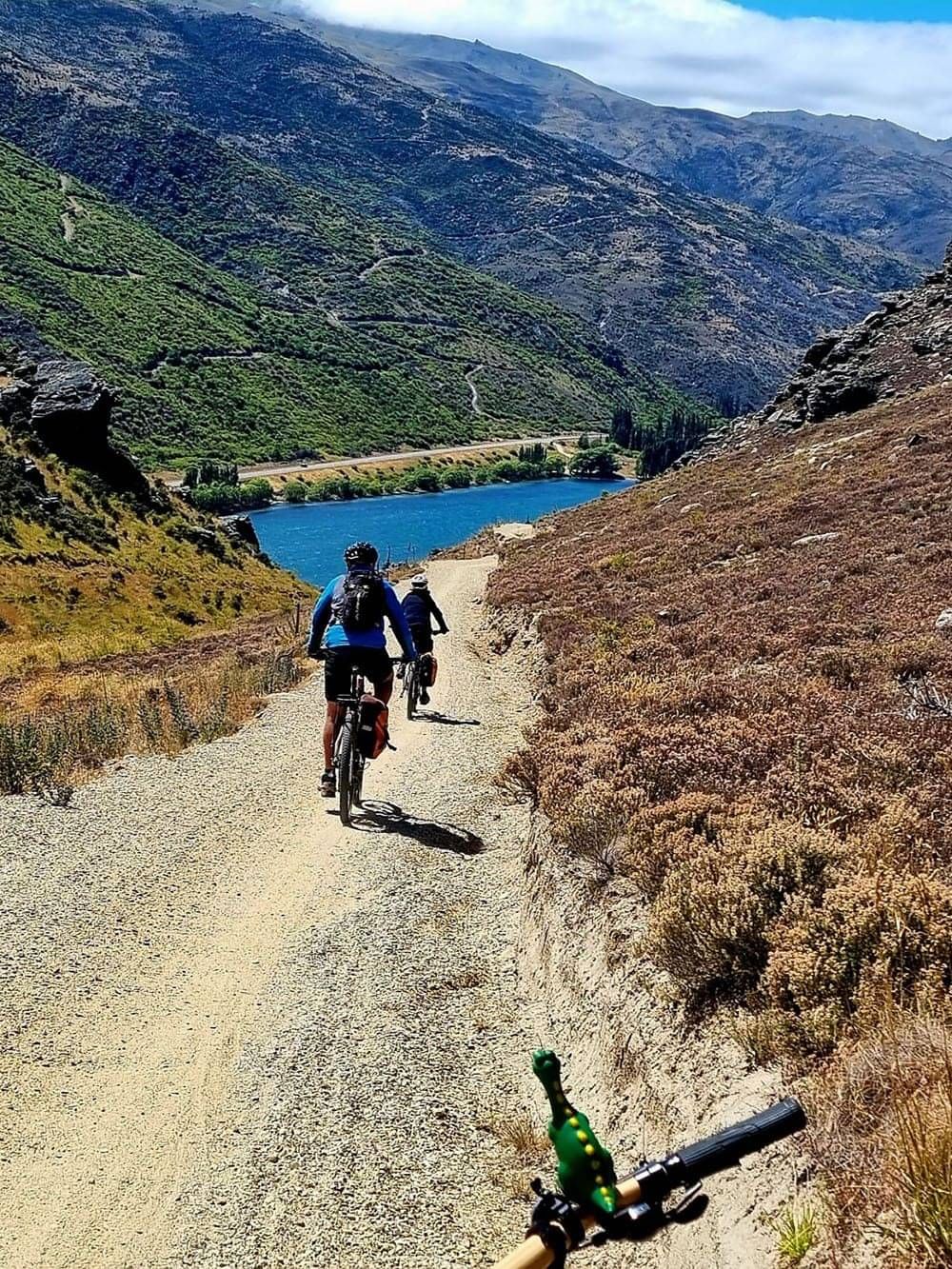
It is also, honestly, the most demanding trail on this site's list: 580 metres of climbing between Cromwell and Clyde, and Grade 3 sections that are narrow and exposed. Gorgeous, achievable, and worth respecting: the honest bit below tells you exactly what that means.
Map
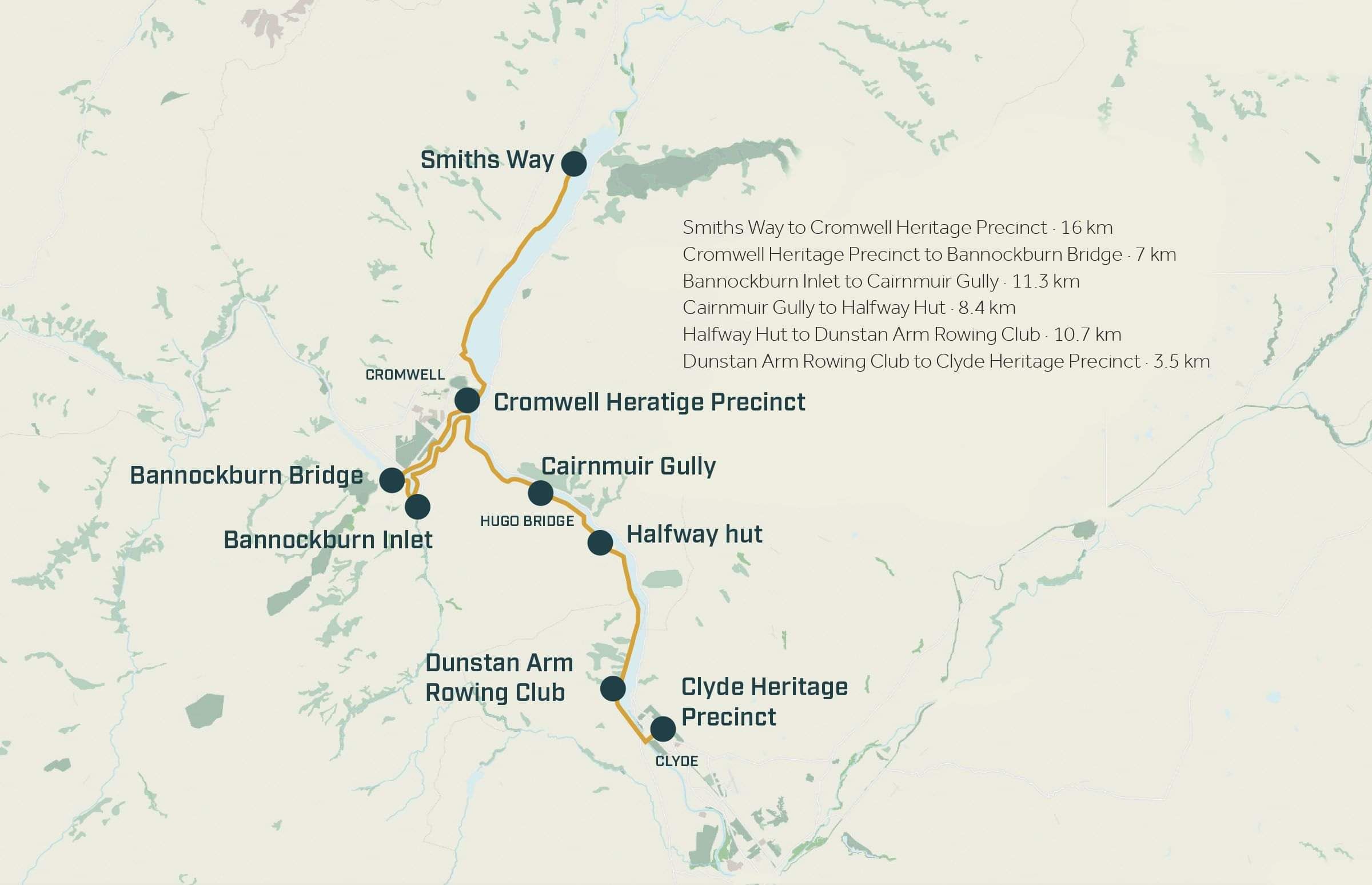
Smiths Way to Cromwell Heritage Precinct · 16 km · Grade 1.
The gentle prologue: lakeside all the way via Pisa Moorings, flat and family-friendly, with swimming spots the whole distance. Ends at the restored heritage precinct, whose galleries and cafes make it the trail's true green room.
Cromwell Heritage Precinct to Bannockburn Bridge · 7 km · Grade 2.
The official zero-kilometre marker stands at the precinct. Easy riding along the Kawarau arm to Bannockburn Bridge, with the option of a short family loop back along Bannockburn Road, and the wine country of Bannockburn sitting just off-trail.
Bannockburn Inlet to Cairnmuir Gully · 11.3 km · Grades 2 & 3.
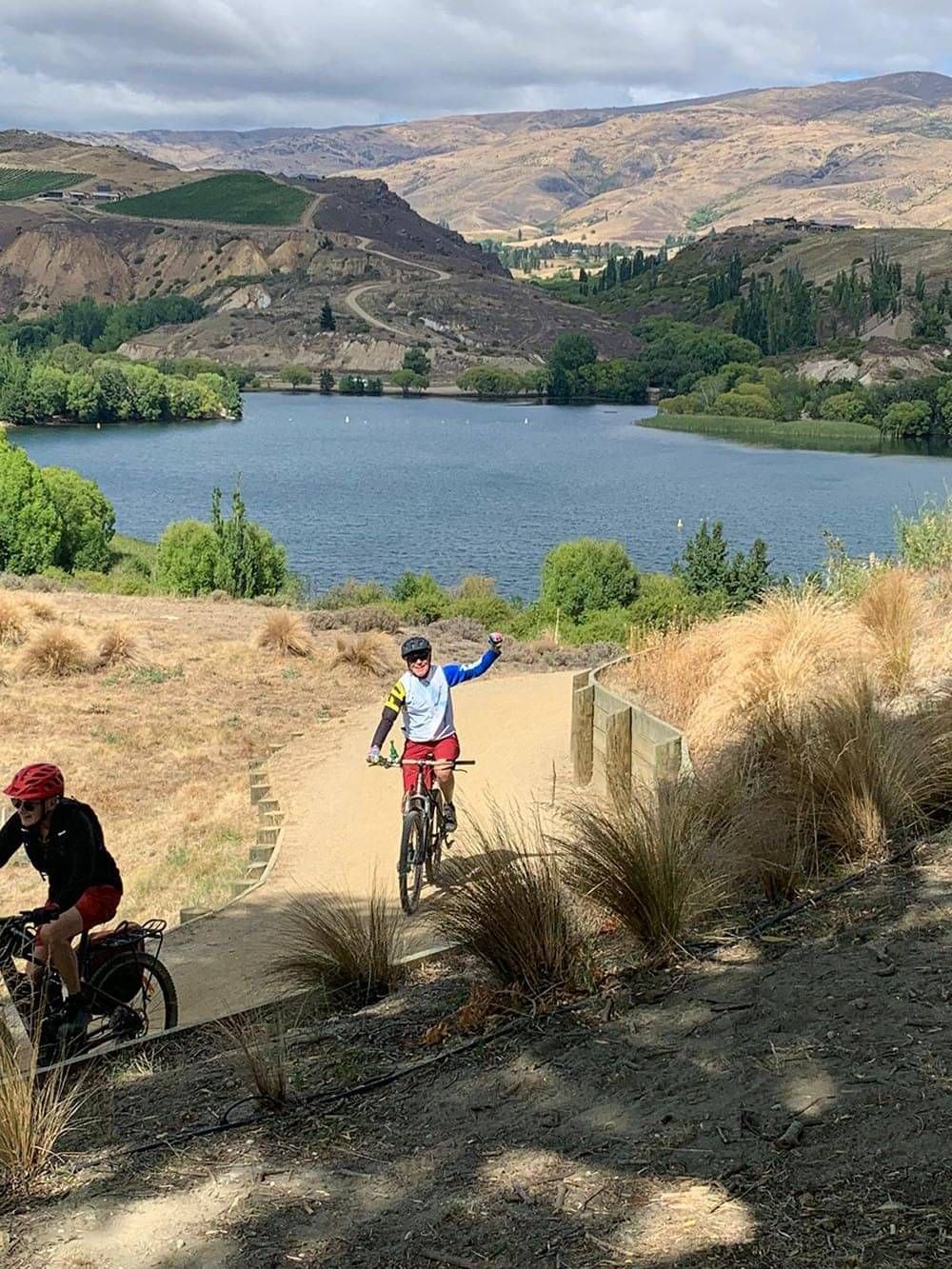
Around the picnic-and-swimming inlet, past vineyards and olive groves toward Cornish Point, then into the gorge proper: the first bluff boardwalks, the strange terraced stonework of the Cairnmuir slide high above, and the drainage tunnels dotting the walls. The floating cafe moors at the gully.
Cairnmuir Gully to Halfway Hut · 8.4 km · Grades 2 & 3.
The remote heart, and the stretch the trail's reputation is built on. Out of the gully the trail climbs its biggest climb, the Cairnmuir Ladder: 130 metres of steady switchbacks past hand-stacked rock walls to the 324 metre trig, the trail's highest point. Then the reward: an exhilarating descent to the Hugo Suspension Bridge, 85.5 metres long and 28.6 metres above the ravine, with a steep walkable alternative for anyone unhappy with heights, before the boardwalks resume toward Halfway Hut.
Halfway Hut to Dunstan Arm Rowing Club · 10.7 km · Grades 2 & 3.
A switchback pocket with tight corners and a genuine climb and descent near the hut, then easing lakeside running with picnic spots, the Clyde Dam growing ahead: New Zealand's third-largest hydro dam, a Think Big monument that first made power in 1992.
Dunstan Arm Rowing Club to Clyde Heritage Precinct · 3.5 km · Grade 1.
The wind-down: some sealed road, the shared Clyde road bridge, a designated swimming zone with a pontoon by the rowing club for the brave, and the climb up into Clyde's stone heritage precinct to finish.
Access & logistics
Cromwell and Clyde bookend the trail, both with cafes, Clyde is about an hour from Queenstown airport, which makes this the most accessible Great Ride from Queenstown by some margin.
When to ride & e-bikes
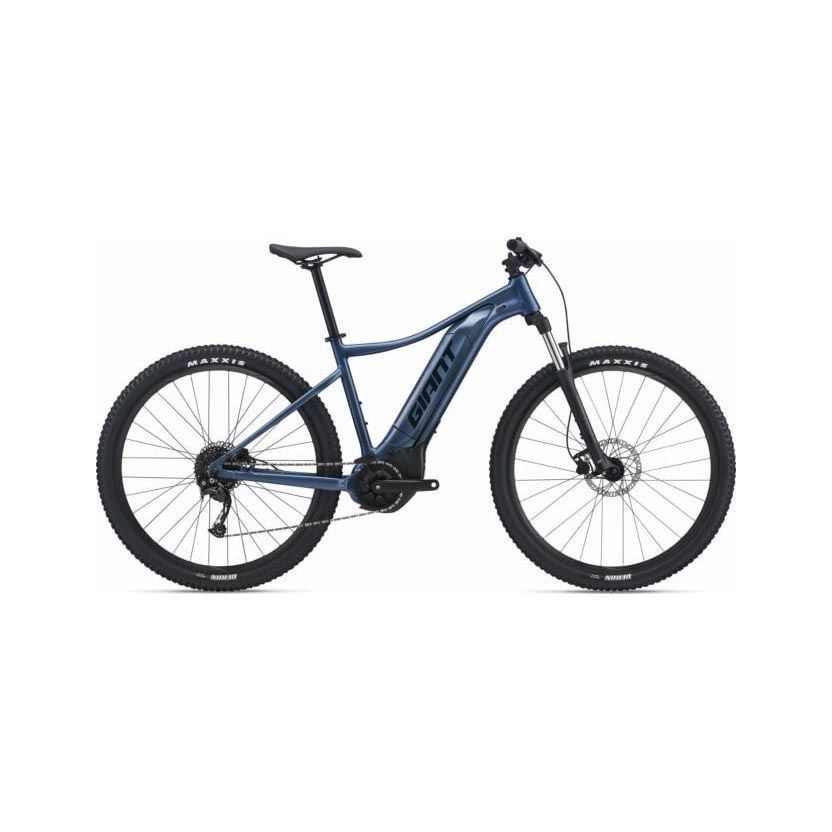
Our tours ride this trail spring to autumn, and that is our honest recommendation: three seasons of the year this trail is at its best, and one where it is not. Summer is glorious and genuinely hot: the gorge holds heat, and with the floating cafes gone there is nothing to eat or drink between the trailheads, so carry more than you think. Autumn is Central Otago at its finest. Winter is crisp, quiet and rideable for the well-prepared, and locals do exactly that: but ice lingers in the shaded gorge, the days are short, and we would rather you met this trail at its best, which is why we sit winter out. E-bikes are the honest recommendation here rather than a luxury: the climbs are steady and cumulative, and the assist keeps your attention where the trail wants it, on the line rather than the legs. Book them ahead in season: everybody has had this idea.
The honest bit
Three things to know before you commit. First, the exposure is real: parts of the trail run 1.5 metres wide with steep drop-offs to the water, and the official grading calls for riders confident on Grade 3 trail: that is a skills statement, not a fitness one, and it deserves a truthful self-assessment. Second, the stretch from Cornish Point to the rowing club is genuinely remote: around 25 kilometres with no road access and no bail-out, so you finish what you start. Third, direction: the trail rides both ways, and independent riders start from whichever end their transport favours: there is no wrong answer. Our own tours ride it Cromwell to Clyde. None of this is a reason to skip the trail. It is the reason to ride it honestly informed, which is what this page is for.
How it connects
At Clyde, this trail joins hands with the Otago Central Rail Trail, and through it the Roxburgh Gorge and Clutha Gold trails: which is exactly the chain our Otago Triple Treat rides. One trailhead, four Great Rides, and a week of riding radiating from a single small stone town.
Questions about the Lake Dunstan Trail
How long does the Lake Dunstan Trail take?
Most riders do Cromwell to Clyde in a day: around four to six hours of riding for the 41 kilometres, plus however long the views, the swimming spots and the floating cafe detain you. E-bikers comfortably fit in the full 55 from Smiths Way.
Which direction should you ride it?
Either works, and most ride Cromwell to Clyde. Less confident riders sometimes prefer Clyde to Cromwell, which puts you on the hillside rather than the drop-off side of the trail through the exposed stretches: a consideration rather than a rule, and worth weighing for your group.
Do you need to book anything to ride it?
The trail itself is free, with no permits or passes. What does need booking is the practical layer: bikes, e-bikes especially, and the one-way shuttles all book out in season, so arrange them ahead.
Is it suitable for beginners or kids?
Two honest answers. The 16 kilometre Smiths Way to Cromwell section is Grade 1, flat and genuinely family-friendly. The gorge section is not: narrow benched trail with real drop-offs, a 130 metre climb, and official grading that asks for confidence at Grade 3. Beginners belong on the prologue; the gorge rewards riders with some gravel behind them.
Where can you get food and water on the trail?
Cromwell and Clyde bookend the trail with cafes; between them there is now no food or water to buy, so carry more than feels necessary: the gorge holds heat and taps are scarce.
Ride it with the logistics handled
Otago Triple Treat, self-guided
Queenstown & Central Otago Highlights, self-guided